Lionel Seaw

Principal Consultant
Sapience Consulting

As a trusted leader in professional development, Sapience empowers you to invest in your future.

Don’t wait – Explore our available funding and leverage our expertise to upskill without financial strain.

Share This Piece:

Ten Years That Changed Everything:
How a Tumultuous Decade Rewired Our World—and What the Next Ten May Bring

6 JULY 2026

The past decade has been nothing short of extraordinary. In just ten years, the world has experienced a convergence of technological acceleration, societal transformation, and geopolitical upheaval at a pace rarely seen in human history. Innovations that once felt strictly futuristic have become everyday operational realities, while global events have fundamentally reshaped how people live, work, communicate, and think about the future.


As we stand at the midpoint of the 2020s, it is worth reflecting on the defining advancements of the last decade—and looking ahead to what the next ten years may hold in a world shaped just as much by complex geopolitics as by raw technology.

A Decade of Breakthroughs: What Defined the Last 10 Years

1. The Rise of Cloud, Mobile, and the Digital-First World

Ten years ago, cloud computing was still a strategic option. Today, it is the backbone of nearly every organisation. Cloud platforms enabled unprecedented scalability, remote collaboration, and global connectivity. At the same time, smartphones evolved into powerful personal computing hubs, redefining communication, commerce, and entertainment.

This shift fundamentally changed how people work—enabling remote and hybrid models long before they became a necessity—and blurred the boundaries between physical and digital life.

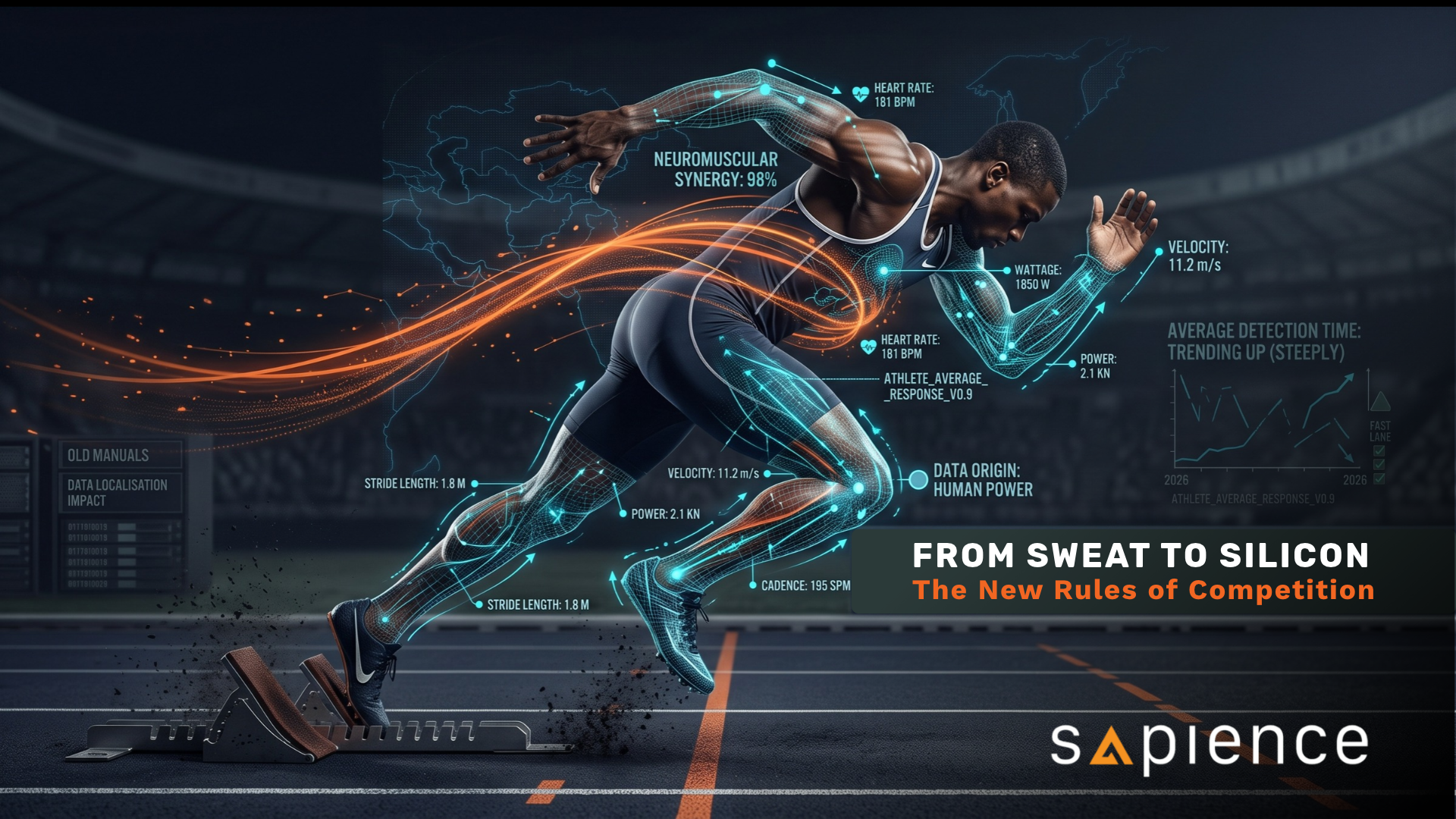
2. Artificial Intelligence Moves From Promise to Pervasiveness

Few technologies have advanced as rapidly or visibly as artificial intelligence. Once confined to research labs, AI is now embedded in search engines, recommendation systems, fraud detection, healthcare diagnostics, and creative tools.

AI has reshaped productivity and decision-making, augmenting human capabilities rather than simply automating tasks. Thought leaders such as Bill Gates have frequently highlighted AI as one of the most transformative forces of our time—comparable to the advent of the personal computer or the internet itself.

3. Data Becomes the New Strategic Asset

The explosion of data over the past decade has transformed legacy industries. Organisations learned to harness advanced analytics, big data platforms, and real-time insights to drive deep personalisation, corporate efficiency, and structural innovation.

However, this explosion also triggered massive concerns over privacy, trust, and data ethics—prompting the swift rise of stringent data protection regulations worldwide.

4. Blockchain, Fintech, and the Reinvention of Trust

Blockchain technology, cryptocurrencies, and decentralised finance (DeFi) directly challenged traditional financial institutions and rewired traditional notions of trust and value exchange. 

While volatile, these innovations forced governments, central banks, and international regulators to fundamentally rethink monetary systems, digital identity, and cross-border transactions.

5. The Pandemic as a Global Inflection Point

The COVID-19 pandemic was perhaps the most defining global event of the decade. It accelerated digital adoption by years, normalising remote work, telemedicine, online education, and virtual collaboration almost overnight. Crucially, it exposed systemic vulnerabilities in global supply chains and underscored the critical importance of operational resilience, adaptability, and robust digital infrastructure.

6. Geopolitics Returns to Center Stage

Over the last decade, geopolitical tensions completely reshaped globalisation. Trade wars, targeted sanctions, regional conflicts, and shifting international alliances disrupted supply chains and technology ecosystems. Technology itself became a prime geopolitical tool, with nations actively competing over semiconductor dominance, 5G infrastructure, AI leadership, and offensive/defensive cyber capabilities.

How These Changes Transformed the Way We Live and Work

Collectively, these advancements redefined everyday macro life:

  • Work became location-independent, with operational flexibility transforming from a modern perk into a basic corporate expectation.

  • Learning migrated online, democratising access to global knowledge while challenging legacy educational institutions.

  • Healthcare grew highly data-driven, powered by digital records, remote consultations, and AI-assisted diagnostics.

  • Consumers became entirely globalised and perpetually connected, permanently reshaping commerce and service delivery expectations.

At the same time, these massive shifts introduced steep modern challenges—including widespread professional burnout, digital inequality, severe cybersecurity threats, and growing anxieties regarding surveillance and automation.

Looking Ahead: What the Next 10 Years May Bring

🧠 AI Everywhere—and the Governance Question

AI will become deeply embedded into critical decision-making: hiring, lending, healthcare prioritisation, security, and even governance itself. The challenge will not be whether organisations can adopt AI, but whether they can do so responsibly.

Expect significant investment in AI governance, ethics frameworks, and regulatory oversight—particularly as AI systems become more autonomous and influential.

🌿 Climate Tech and Sustainability Innovation

Organisations can leverage the synergies between these standards by integrating their management systems. For instance, combining ISO 27001 with ISO 9001 can enhance data quality and security in processes, while integrating ISO 20000 with ISO 22301 ensures that IT services are maintained during disruptions.

🌐 The Fragmentation of the Global Tech Ecosystem

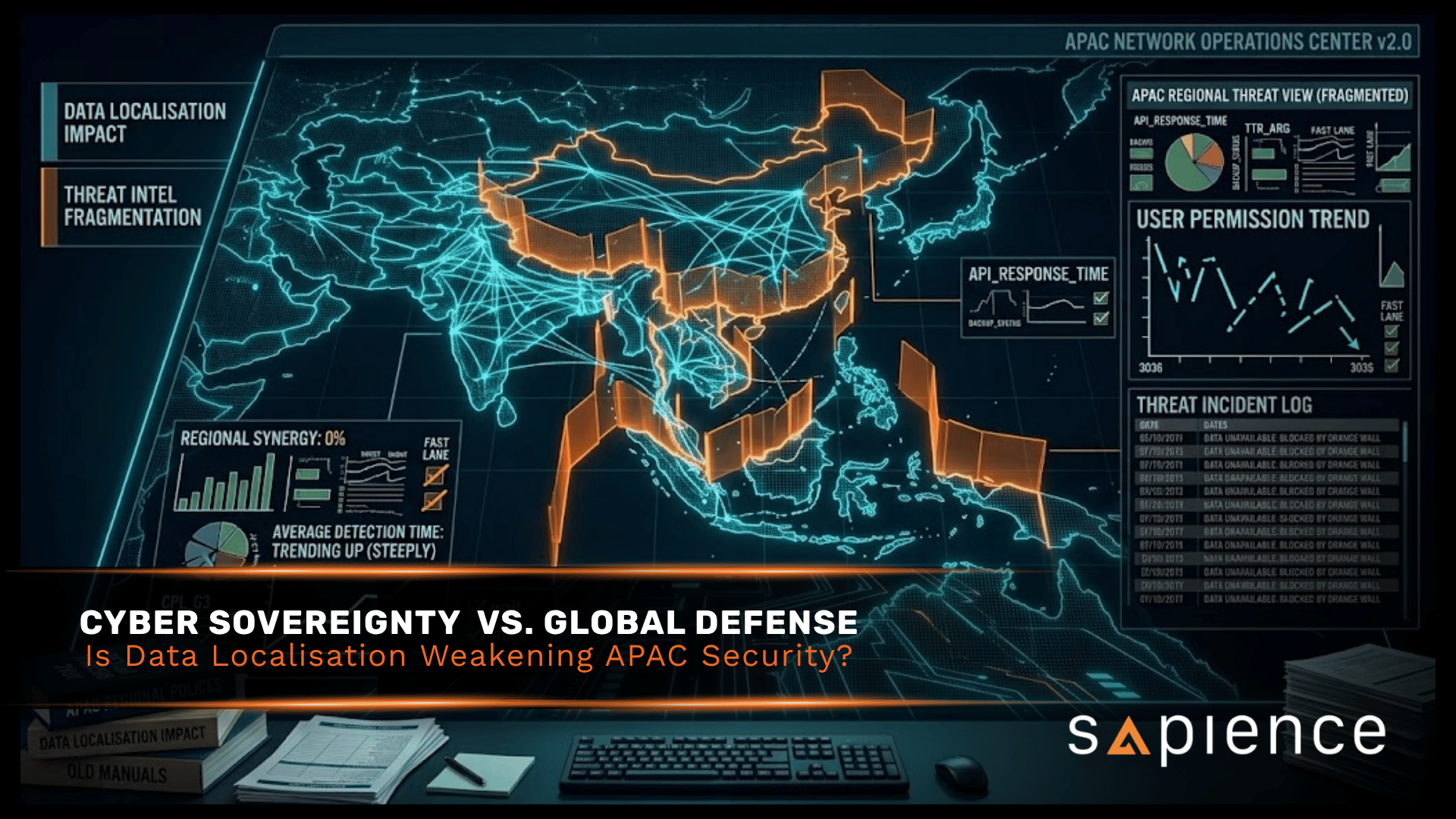
The next decade may witness a more fragmented global technology landscape. Competing technological standards, regional technology stacks, and aggressive digital sovereignty initiatives are likely to reshape how products are built and globally deployed. 

Multinational organisations must prepare to navigate multiple, conflicting regulatory regimes and geopolitical risk zones simultaneously.

🤝 The Future of Work: Human + Machine

Rather than triggering immediate, mass job displacement, the next phase of work will emphasise deep human-machine collaboration. 

Entirely new professional roles will emerge at the intersection of technology, data ethics, compliance, and risk governance. Consequently, lifelong learning and upskilling will become essential survival traits as technical skills cycles shorten dramatically.

🛡️ Cybersecurity and Digital Trust as Strategic Imperatives

As digital architectures underpin virtually every layer of modern society, cybersecurity and digital trust have permanently elevated to board-level concerns. Sovereign nations will increasingly treat cyber capabilities as standard elements of national defense, while private organisations will invest heavily in total resilience, zero-trust identity architectures, and trust validation frameworks.

The Geopolitical Wildcard

Perhaps the greatest uncertainty shaping our collective future is geopolitics. Technological progress does not occur in a vacuum. International conflicts, shifting alliances, regulatory divergence, and economic nationalism will heavily dictate:

  1. Where critical technology is researched and developed.

  2. Who owns and controls foundational physical and digital infrastructure.

  3. How securely data, talent, and innovation can flow across borders.

The winners of the coming decade will not be those who innovate blindly, but those who can scale innovation while successfully navigating geopolitical uncertainty—building systems that are not just technically advanced, but structurally adaptable.

💡 Conclusion: Progress With Perspective

The last ten years rewired the world faster than most could have imagined. Technology empowered individuals, transformed organisations, and connected societies—while also exposing new risks and inequalities.

The next decade will demand more than innovation alone. It will require wisdom, governance, and global cooperation to ensure progress benefits as many people as possible. In a world shaped by both code and conflict, the future will belong to those who can balance ambition with responsibility—and vision with resilience.

Tab:
Fermentumflip7samsungtesting

Governance & Service Management

Exclusive Expert Insights

Join Our Newsletter

Login

Sign Up

Back to Login