Lionel Seaw
Principal Consultant Sapience Consulting
As a trusted leader in professional development, Sapience empowers you to invest in your future.
Don’t wait – Explore our available funding and leverage our expertise to upskill without financial strain.
Security by Design and
Threat
Modelling as part of Risk Management:
Wishful Thinking or Work in Progress?
1 SEPTEMBER 2025
Integrating security by design and threat modeling into an organisation’s risk management process is essential for proactively addressing security vulnerabilities and enhancing overall resilience. Here’s a detailed approach to effectively accomplish this integration:
Understanding Security by Design and Threat Modeling
Security by design emphasises incorporating security considerations into the initial phases of system development and architecture. It involves creating systems that are secure from the ground up, rather than adding security measures as an afterthought.
Threat modeling is a structured approach for identifying and evaluating potential security threats to an application or system. It helps organisations understand potential attack vectors and vulnerabilities, allowing them to mitigate risks effectively.
The 7-Step Integration Framework
Define Security Policies: Develop clear security policies that align with the organization’s risk management framework. This includes outlining roles and responsibilities for security practices.
Adopt Standards: Consider adopting recognized standards, such as ISO 27001 or NIST, to guide the implementation of security measures.
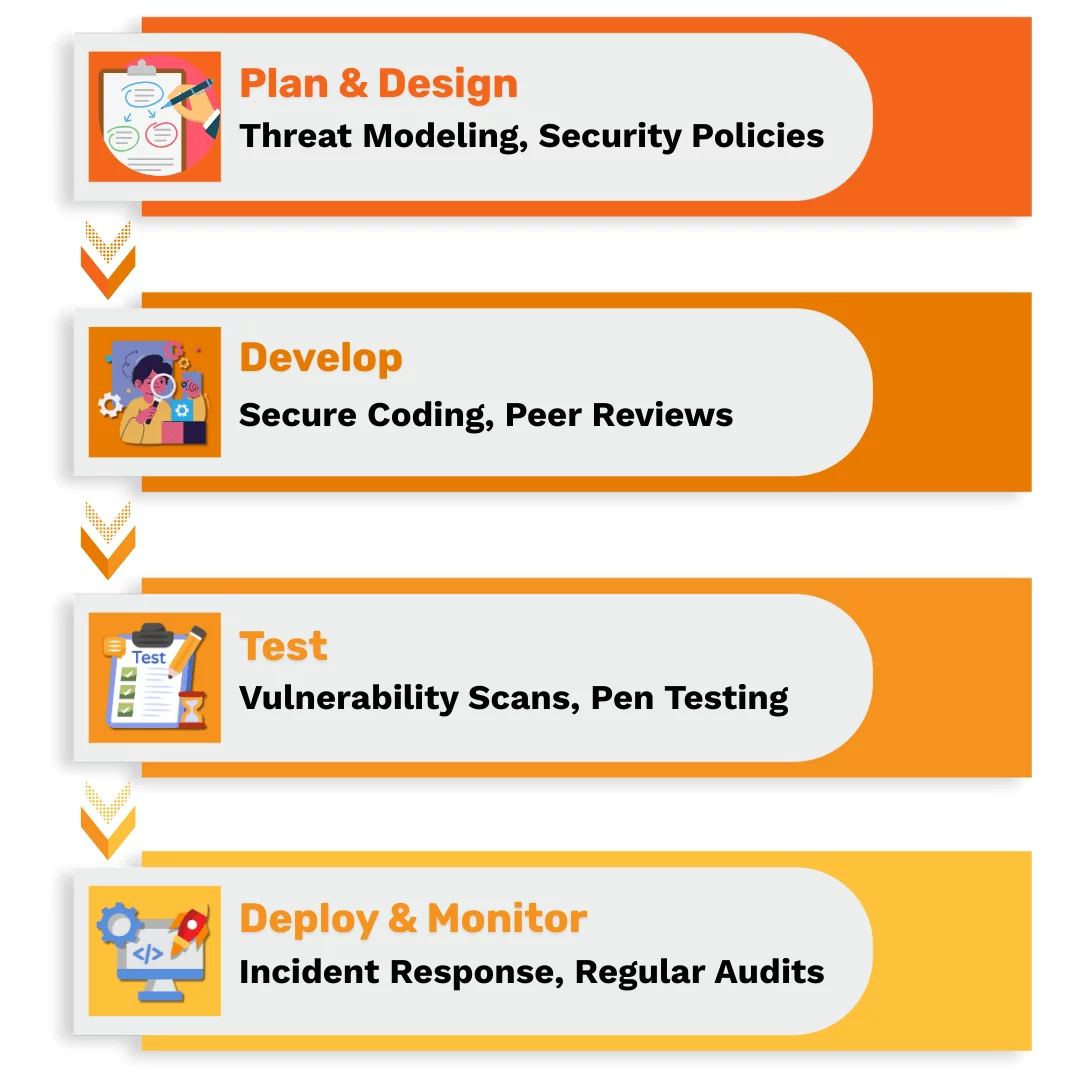
Integrate Early: Ensure that security practices are integrated into every phase of the SDLC, from planning and design to development, testing, and deployment.
Security Reviews: Conduct regular security reviews during development to identify potential security weaknesses.
Identify Assets: Begin by identifying critical assets that need protection, such as sensitive data and applications.
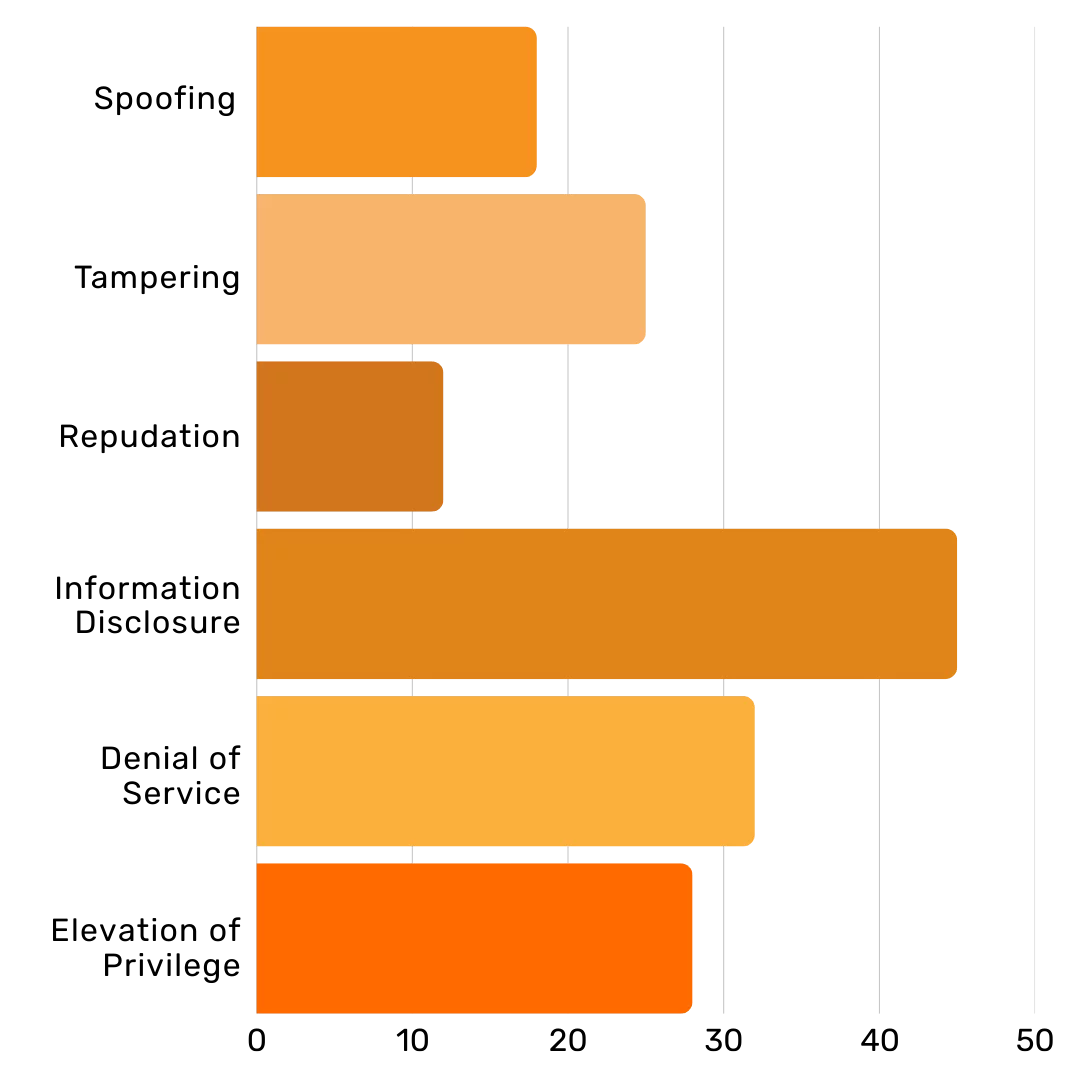
Identify Threats: Use methodologies like STRIDE (Spoofing, Tampering, Repudiation, Information Disclosure, Denial of Service, Elevation of Privilege) to identify potential threats.
Analyse Vulnerabilities: Assess potential vulnerabilities related to each identified threat and prioritise them based on risk.
Integrate Findings: Incorporate the results of the threat modeling process into the overall risk assessment framework. This involves evaluating the likelihood and impact of identified threats on assets.
Prioritise Risks: Use the information from threat modeling to prioritise risks, allowing for targeted resource allocation for mitigation.
Develop Mitigation Plans: For each identified threat, create a plan that outlines the necessary controls or measures to mitigate the risk. This may include technical controls (e.g., encryption, access controls) and procedural controls (e.g., incident response plans).
Implement Controls: Ensure that the controls identified in the mitigation plans are implemented effectively within the system.
Monitor Security Posture: Continuously monitor the effectiveness of security controls and threat landscape changes. This can be achieved through security audits, vulnerability assessments, and penetration testing.
Iterative Improvement: Treat security by design and threat modeling as iterative processes. Regularly revisit threat models and risk assessments as systems evolve and new threats emerge.
Educate Staff: Provide training for development teams on security best practices and threat modeling techniques. This ensures that everyone is aware of the importance of integrating security into their work.
Promote a Security Culture: Foster a culture of security within the organisation where employees understand the importance of security considerations in their roles.
The Future of SRE?The Future of SRE?The Future of SRE?The Future of SRE?
Lorem ipsum dolor sit amet consectetur. Diam fermentum aliquam consequat duis id aenean sagittis egestas. Lorem ipsum dolor sit amet consectetur. Diam fermentum aliquam consequat duis id aenean sagittis egestas.
The Future of SRE?The Future of SRE?The Future of SRE?The Future of SRE?
Lorem ipsum dolor sit amet consectetur. Diam fermentum aliquam consequat duis id aenean sagittis egestas. Lorem ipsum dolor sit amet consectetur. Diam fermentum aliquam consequat duis id aenean sagittis egestas.
The Future of SRE?The Future of SRE?The Future of SRE?The Future of SRE?
Lorem ipsum dolor sit amet consectetur. Diam fermentum aliquam consequat duis id aenean sagittis egestas. Lorem ipsum dolor sit amet consectetur. Diam fermentum aliquam consequat duis id aenean sagittis egestas.
Governance & Service Management